.jpeg "Big Barrel")


Introduction
If you’ve ever stood in front of a whisky shelf and wondered what really separates “Whiskey” from “Scotch,” you’re not alone. The answer lies in history, geography, and a few small details that make a big difference. Whether you like a smooth bourbon, a smoky single malt, or an Irish blend, this guide will help you understand what’s in your glass and where to find the best Whiskies in New Zealand, both online and in-store at Big Barrel.
What Is Whiskey?
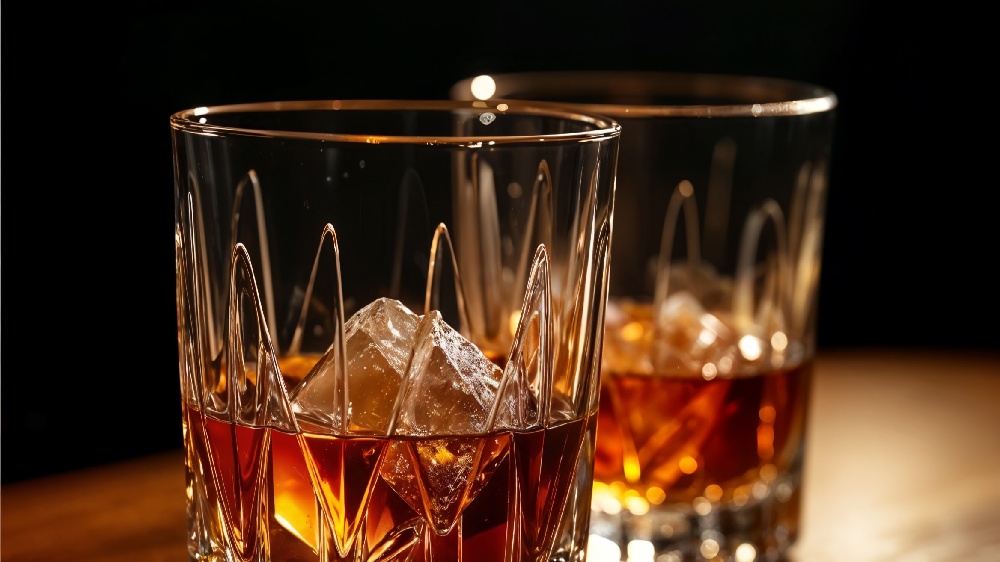
Whiskey (or whisky, depending on where it’s from) is a distilled spirit made from fermented grains like barley, corn, rye, or wheat. It’s aged in wooden barrels, usually oak, which gives it that warm amber colour and complex taste.
The process is simple but precise:
- Grains are mashed with water and yeast.
- The mixture ferments into alcohol.
- It’s distilled, then aged to perfection in barrels for years.
Each country has its own style, traditions, and laws. That’s why Irish whiskey, American bourbon, and Scottish Scotch can all taste so different even though they start from the same basic ingredients.
Is it Whiskey or Whisky?
The spelling tells you where it’s from.
- Whiskey (with an “e”) is used in Ireland and the United States.
- Whisky (no “e”) is preferred in Scotland, Canada, and Japan.
That single letter quietly marks heritage and pride, a small but meaningful nod to origin.
Different Whiskeys Around the World
Whiskey isn’t one single drink. It’s a family of spirits, each with its own personality:
- Irish Whiskey: Triple-distilled for smoothness and often light in body. A friendly, easy-sipping style perfect for beginners.
- Bourbon (USA): Made from at least 51% corn, aged in new charred oak barrels, giving it a rich, caramel sweetness. Think of brands like Maker’s Mark or Jim Beam.
- Rye Whiskey (USA & Canada): Bold and spicy, often used in Manhattans or Old Fashioneds.
- Tennessee Whiskey: Like bourbon but filtered through maple charcoal for a cleaner finish. Jack Daniel’s is the classic example.
- Canadian Whisky: Generally light and smooth with hints of sweetness, often blended with corn and rye.
- Japanese Whisky: Modeled after Scotch but refined with precision, clean, balanced, and elegant.
Each style offers a distinct flavour profile, but they all share one trait: patience. Good whiskey takes time.
And Then There’s Scotch
Scotch is whisky’s proud Scottish branch on the family tree. To earn the name “Scotch,” it must:
- Be made and matured in Scotland.
- Use malted barley and water as its core ingredients.
- Age in oak barrels for at least three years.
- Contain no additives other than water or caramel for colour.
Scotch tends to carry smoky, peaty flavours, especially from Islay, though many Highland and Speyside varieties are fruitier and softer
Types of Scotch Whisky
Scotch comes in a few main styles:
- Single Malt Scotch: Made from malted barley at one distillery. Complex and aromatic.
- Single Grain Scotch: Distilled from multiple grains at a single site.
- Blended Scotch: A mix of single malts and grain whiskies for balance and consistency.
- Blended Malt Scotch: A blend of several single malts without grain whisky.
Famous Scotch names include Johnnie Walker, Chivas Regal, and Dewar’s brands, which you’ll spot across Big Barrel stores nationwide.
Whiskey vs Scotch: Main Differences
|
Feature |
Whiskey |
Scotch |
|
Where it’s made |
Worldwide (Ireland, USA, Japan, etc.) |
Only in Scotland |
|
Main ingredient |
Barley, corn, rye, or wheat |
Mostly malted barley |
|
Minimum aging |
Usually 2–3 years (varies) |
At least 3 years |
|
Spelling |
“Whiskey” (US/Irish) or “Whisky” (Scot/Canada) |
“Whisky” only |
|
Flavor |
Varies; sweet, spicy, oaky |
Smoky, peaty, earthy |
|
Laws & regulations |
Depends on the country |
Stringent (Scotch Whisky Act) |
Where to Buy Whiskey and Scotch in New Zealand
New Zealand might not be the birthplace of whiskey, but we’re enthusiastic adopters. From Dunedin to Auckland, Kiwi drinkers love exploring global brands and local craft labels alike.
You’ll find one of New Zealand’s most extensive selections of whiskey and Scotch at Big Barrel, with global favourites and rare finds available across our nationwide stores and online.
Which One Should You Try First?
If you’re new to whisky, start with:
- Irish Whiskey: light and easy-going.
- Bourbon: smooth and sweet.
- Scotch: Try a blended one first before diving into smoky single malts.
You don’t need a rulebook. Just curiosity, a clean glass, and maybe a friend who doesn’t judge your ice cubes.
FAQs
-
Is Scotch stronger than whiskey?
Not really. Both are usually bottled around 40–46% ABV. Scotch often tastes stronger because of its smoky profile, not its actual alcohol content.
-
Why is Scotch more expensive?
It’s heavily regulated, aged longer, and often produced in smaller quantities. You’re paying for time, craftsmanship, and a bit of Scottish pride.
-
Can you mix Scotch in cocktails?
You can, but most purists will raise an eyebrow. Blended Scotch works well in cocktails; single malts deserve a moment on their own.
-
What’s the smoothest whisky to start with?
Try an Irish whiskey like Jameson or a mellow bourbon like Maker’s Mark. They’re crowd-pleasers.
-
Where can I buy whisky and Scotch in New Zealand?
Buy Whisky Online, click & collect, or head to your nearest Big Barrel, New Zealand’s go-to destination for whisky lovers, with top brands, great value.
Final Sip
Whether you call it whiskey or whisky, every glass has a story of grains, time, and geography. Scotch might have the heritage, but whiskey around the world offers variety, personality, and fun.
So, the next time someone stirs up the “whiskey vs Scotch” debate, just say, “There’s room for both on the shelf.”
Then go pour yourself another.



.jpeg)